dd

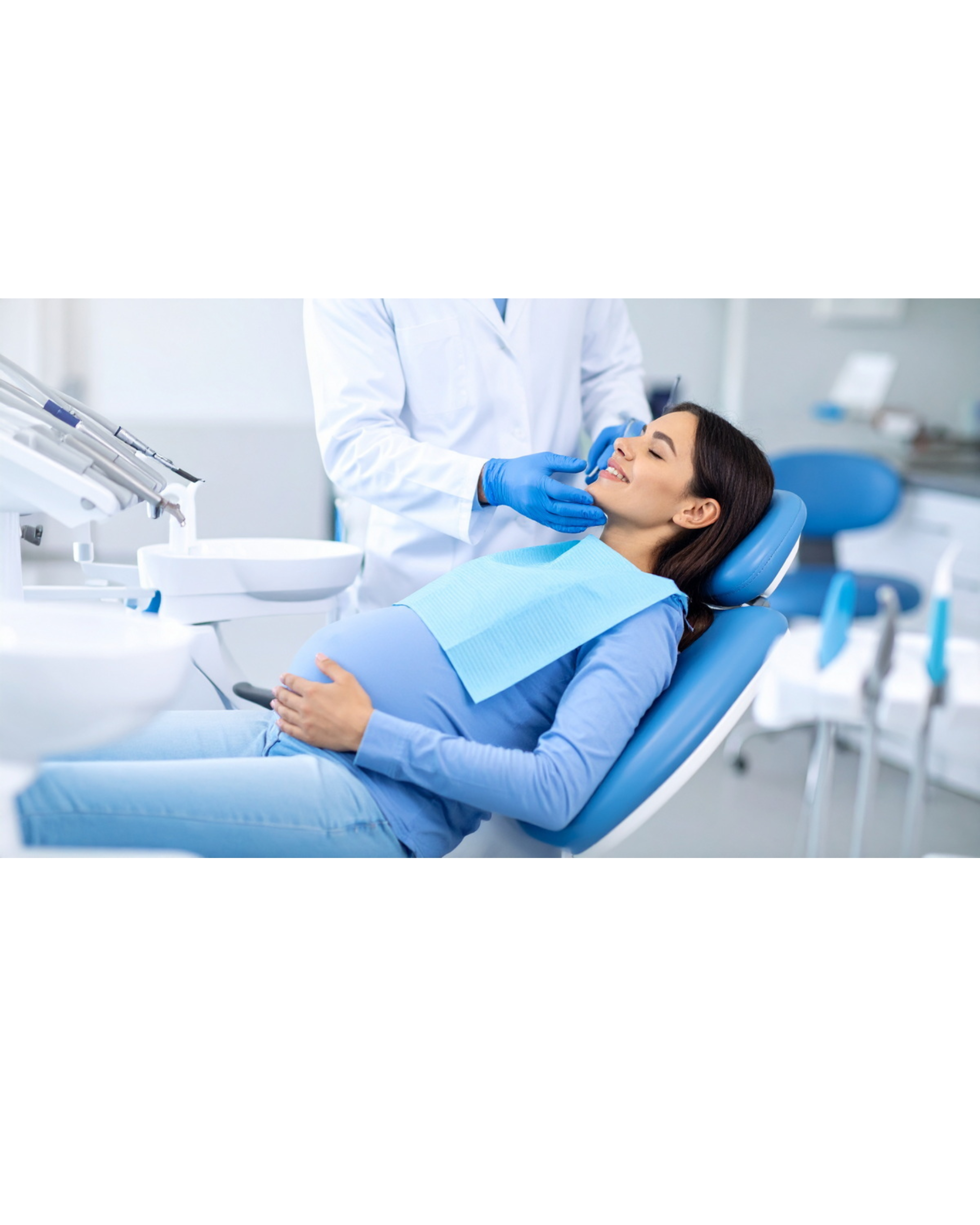
Many myths make pregnant women hesitant to visit the dentist, even when dental care is completely safe. A common belief is that dental treatment should be avoided during pregnancy, but routine procedures like cleaning and fillings are safe—especially during the second trimester. Another widespread myth is that dental X-rays can harm the baby; in reality, modern X-rays with proper shielding are considered safe when absolutely necessary. Some people even think pregnancy causes teeth to fall out, but this only happens when gum disease or infections are ignored. Visiting a dentist before pregnancy helps identify and treat gum issues early, reducing the chances of complications once pregnancy begins.
Getting a dental check-up before trying to conceive ensures that cavities, gum infections, and wisdom tooth problems are treated ahead of time, avoiding discomfort later when treatment options may be limited. During pregnancy, hormonal changes can make gums more sensitive, swollen, or prone to bleeding, making regular dental visits even more important. Many women avoid brushing when gums bleed, but gentle cleaning is necessary to control inflammation. Another common myth is that the baby takes calcium from the mother’s teeth, but calcium actually comes from a healthy diet—not the teeth. With the right information and timely dental visits, mothers can enjoy a safer, more comfortable pregnancy while maintaining good oral health.
PregnancyDentalCare PregnancyMyths DentalMythsBustedMomToBeCareHealthyPregnancy PregnancyTips OralHealthDuringPregnancy
GumCareTeethCareDentalFacts PregnancyAwareness ExpectingMoms BabyOnBoard PrenatalCare DentalCheckup
HealthyGums CavityPrevention SmileCare DentalAwarenessMotherhoodJourney PregnancyHealth
MomLifeDentalClinic HexaDent NaviMumbaiDentist DrAbhayPaul DentalClinicNerul OralHygieneTips PregnancySafety DentalEducation PregnancyGingivitisStrongTeeth CleanTeethHealthy SmileGumHealthWomen HealthCareMomCare
TeethTips DentalRoutine PregnancySupportMotherCare
SafePregnancyDentalCareMatters
ExpectingMothersPregnancyWellness
DentistVisitToothCarePregnancyOralHealth
NewMomTipsMythVsFactSmileHealthy
Our Services
Clear aligners are transparent, removable trays that straighten teeth over time. They are a discreet alternative to traditional braces, offering comfort and convenience as they can be removed for eating and cleaning.
Braces are orthodontic devices used to correct misaligned teeth and jaws. They consist of brackets and wires that apply continuous pressure to move teeth into the desired position over time.
Crowns are caps placed over damaged teeth to restore their shape, size, and function. Bridges are used to replace one or more missing teeth by anchoring to adjacent teeth or implants, providing a natural-looking and functional solution.
Growth modification is an orthodontic treatment aimed at correcting jaw discrepancies in growing children. It uses appliances to guide the growth of the jaw, ensuring proper alignment and bite.
Smile design involves a combination of cosmetic dental procedures to enhance the appearance of your smile. This can include veneers, crowns, teeth whitening, and orthodontics, tailored to achieve your desired look.
Root canal treatment is a procedure to save a severely infected or damaged tooth. It involves removing the infected pulp, cleaning the inside of the tooth, and sealing it to prevent further infection.
Dental implants are artificial tooth roots made of titanium that are surgically placed into the jawbone. They provide a strong foundation for fixed or removable replacement teeth that match your natural teeth.
Teeth whitening is a cosmetic procedure that lightens the color of your teeth. It can be done in-office effectively removing stains and discoloration for a brighter smile.
Tooth fillings are used to restore cavities or damaged teeth. The decayed portion of the tooth is removed, and the area is filled with materials like composite resin, amalgam, or gold to restore its function and appearance.
Tooth extraction is the removal of a tooth from its socket in the bone. It is performed when a tooth is severely damaged, decayed, or causing crowding, and cannot be saved by other treatments.
Meet Our Experts

Orthodontist

Dental specialist

Oral & Maxillofacial Surgeon

Prosthodontist
WhatsApp us